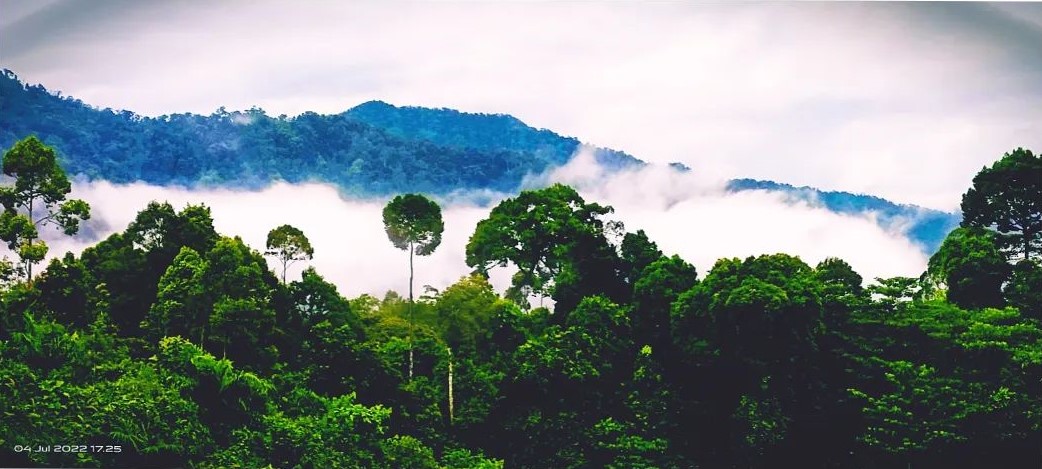
Protecting one of the world’s most important forest ecosystems—the Leuser Landscape of Sumatra—requires more than good intentions. It requires deep local knowledge, long-term trust with communities, and an integrated approach that recognizes the inseparable link between people, forests, and wildlife.
That is why we are proud to support the Sustainable Green Sumatra Foundation or Yayasan Sumatera Hijau Lestari (YSHL), an Indonesian-led conservation organization working on the front lines of forest protection in and around Gunung Leuser National Park, a UNESCO World Heritage Site and one of the last places on Earth where orangutans, elephants, rhinos, and tigers still coexist in the wild.
YSHL’s work reflects a model of conservation that is community-centered, practical, and enduring—one that aligns closely with our own values and long-term vision for conservation in Indonesia.
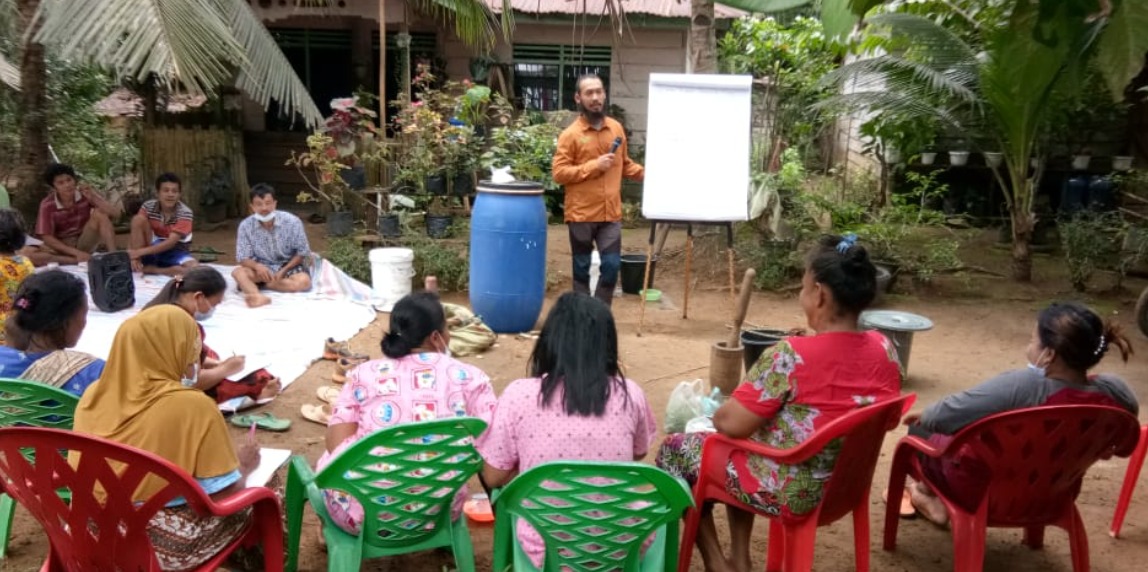
At the heart of YSHL’s work is the Community Education and Conservation Program (CECP)—a holistic framework that recognizes that lasting conservation cannot be achieved without local communities as partners and leaders.
Through CECP, YSHL works directly with villages surrounding Gunung Leuser National Park to:
Rather than imposing external solutions, YSHL collaborates with communities to co-design conservation strategies that reflect local realities. This integrated approach helps ensure that conservation outcomes are not only effective, but socially just and culturally grounded.
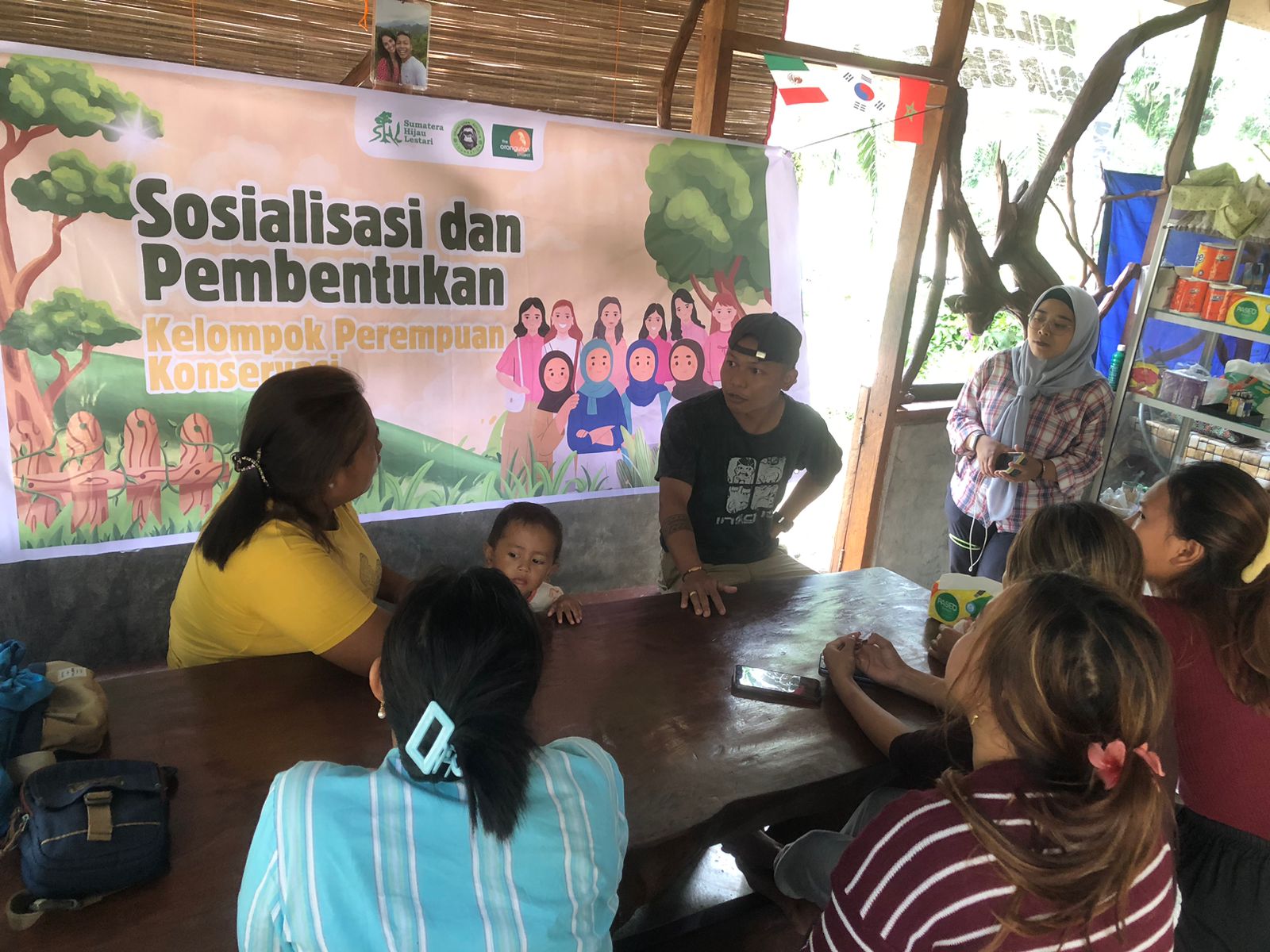
Building on the foundation of the Community Education and Conservation Program (CECP), YSHL has expanded its holistic approach through the Community Conservation and Mentorship Initiative (CCMI).
The Community Conservation and Mentorship Initiative (CCMI) empowers grassroots, women-led, and youth conservation groups across Sumatra and Borneo through targeted training, long-term mentorship, and hands-on, field-based support. Through this initiative, local conservation actors are equipped to restore forests, protect wildlife, and strengthen community stewardship of the environment.
CCMI is especially important because it addresses a critical gap in conservation: the transition from short-term project participation to durable, locally led leadership. By investing in people—particularly women and young conservationists—CCMI helps ensure that conservation knowledge, skills, and responsibility remain embedded within communities long after individual projects conclude.
By nurturing local leadership and peer-to-peer learning networks, CCMI reinforces YSHL’s broader conservation model, linking education, restoration, wildlife protection, and sustainable livelihoods into a cohesive, community-driven system of environmental stewardship.
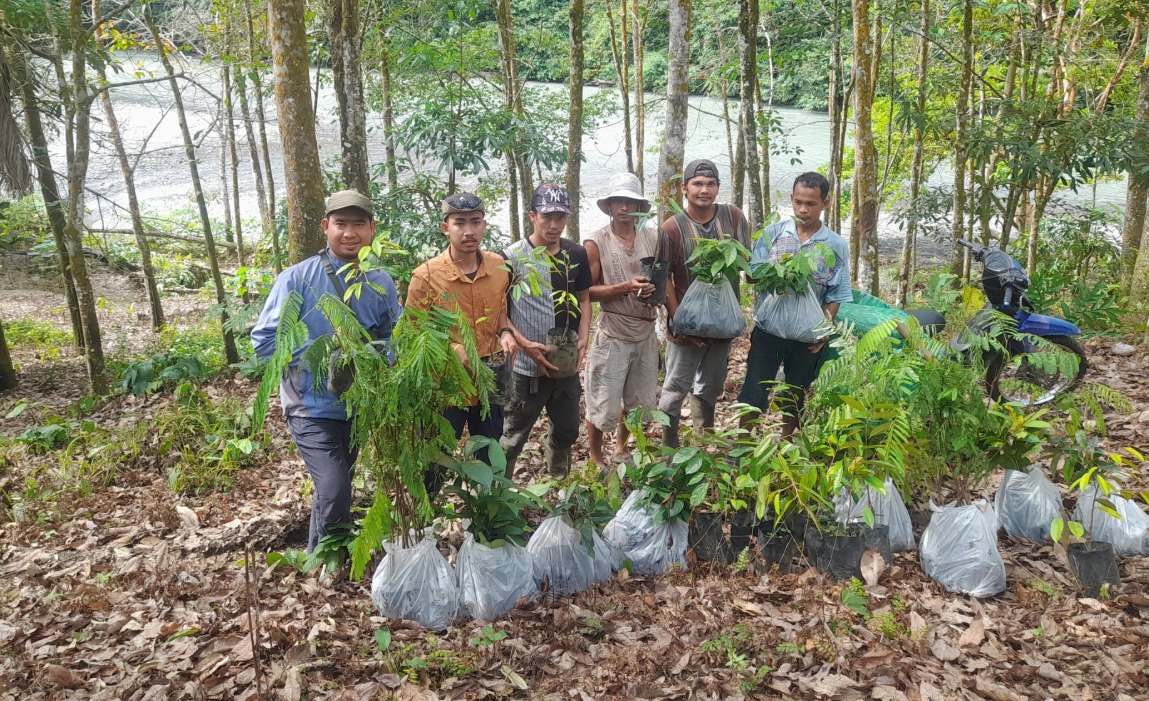
Forest restoration is another pillar of YSHL’s work. Through its community-based reforestation program, YSHL supports tree planting and forest recovery in critical buffer zones surrounding Gunung Leuser National Park.
This program:
By placing communities at the center of reforestation efforts, YSHL ensures that restored forests are cared for over the long term—reducing the risk of re-clearing and reinforcing local ownership of conservation success. Also as the result of a new MoU with National Park authorities, YSHL will be planting trees within the park in the coming year.
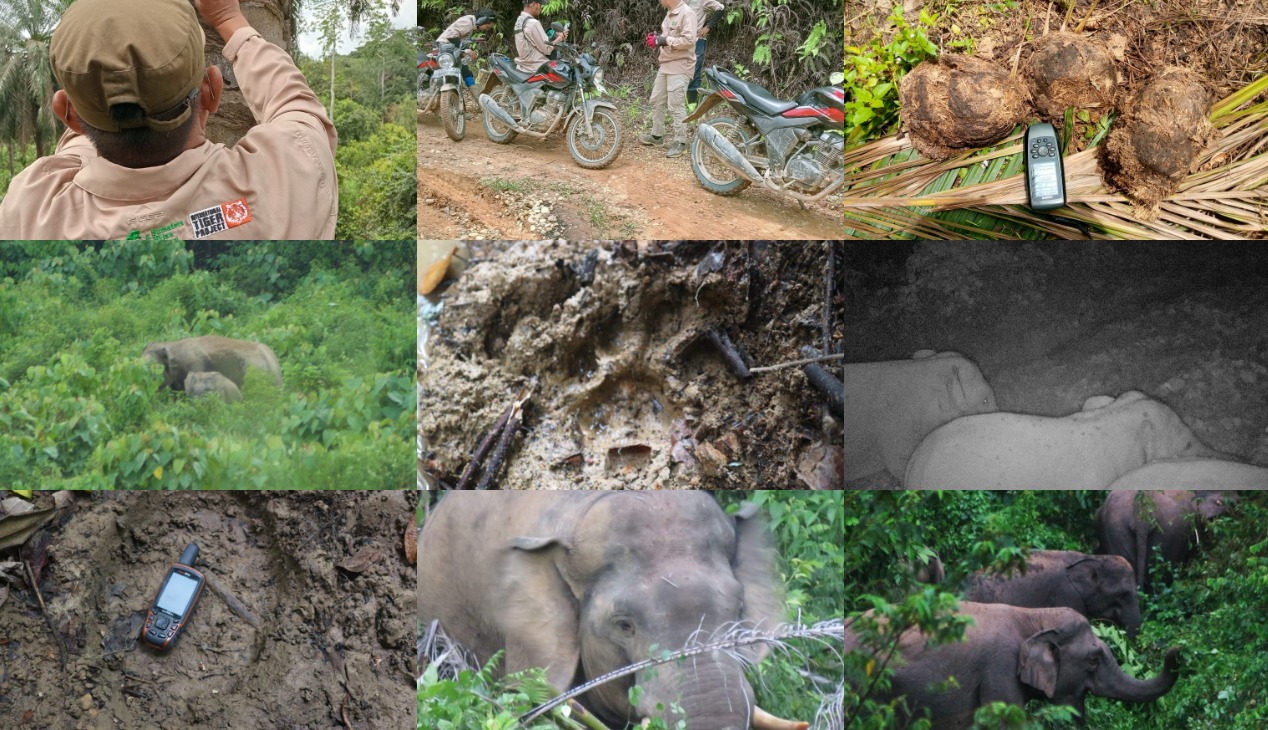
Living alongside wildlife is a daily reality for many communities in the Leuser ecosystem. YSHL addresses this challenge through its Wildlife Mitigation and Monitoring Unit (WMU), which focuses on reducing human–wildlife conflict while protecting endangered species.
The WMU:
This proactive approach helps safeguard both livelihoods and wildlife, reinforcing the idea that conservation and community well-being must advance together.
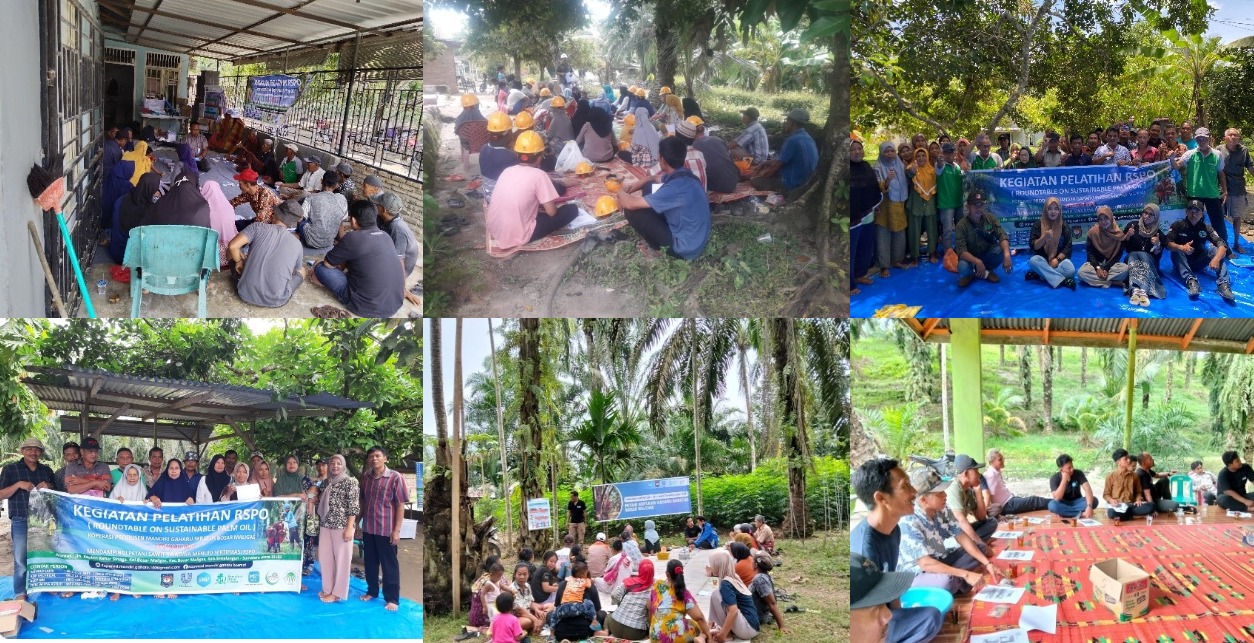
Recognizing that conservation must also address broader land-use and economic realities, YSHL developed the HORAS Hub (Smallholder Regenerative Agriculture and Sustainable Palm Oil Hub).
The HORAS Hub works with independent smallholders to:
By engaging smallholders as allies rather than adversaries, YSHL helps address one of the most complex drivers of deforestation in Sumatra—while supporting rural livelihoods and food security.
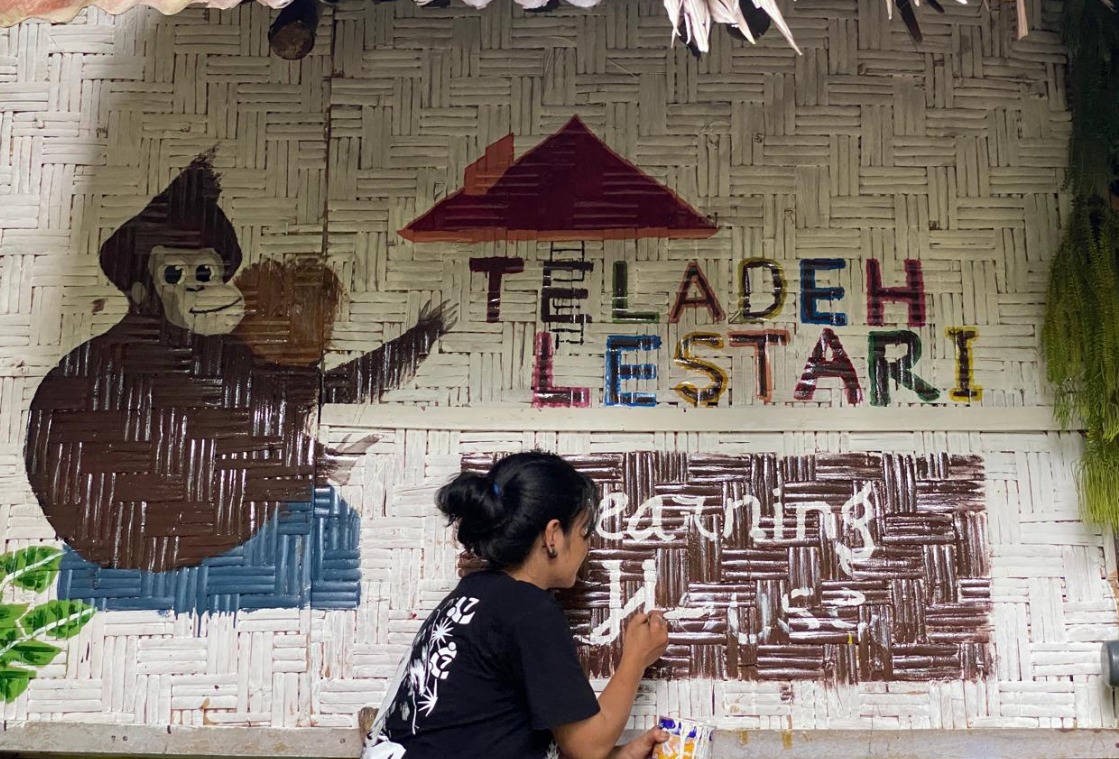
A vital extension of YSHL’s commitment to long-term, locally led conservation is its Research Internship Program (Magang Penelitian). This initiative provides university students and early-career conservationists with the opportunity to gain hands-on field experience while contributing directly to applied conservation research in some of Indonesia’s most ecologically important landscapes.
Through the Magang Penelitian program, participants:
The program serves as a bridge between academic study and real-world conservation practice, helping students translate theory into action. Many participants come from local universities and communities, reinforcing YSHL’s emphasis on developing homegrown expertise rather than relying solely on external specialists.
By investing in research internships, YSHL strengthens the scientific foundation of its programs while cultivating a new generation of Indonesian conservation leaders—individuals who understand both the ecological complexities of Sumatra and Borneo and the social realities of working with communities on the front lines of conservation.
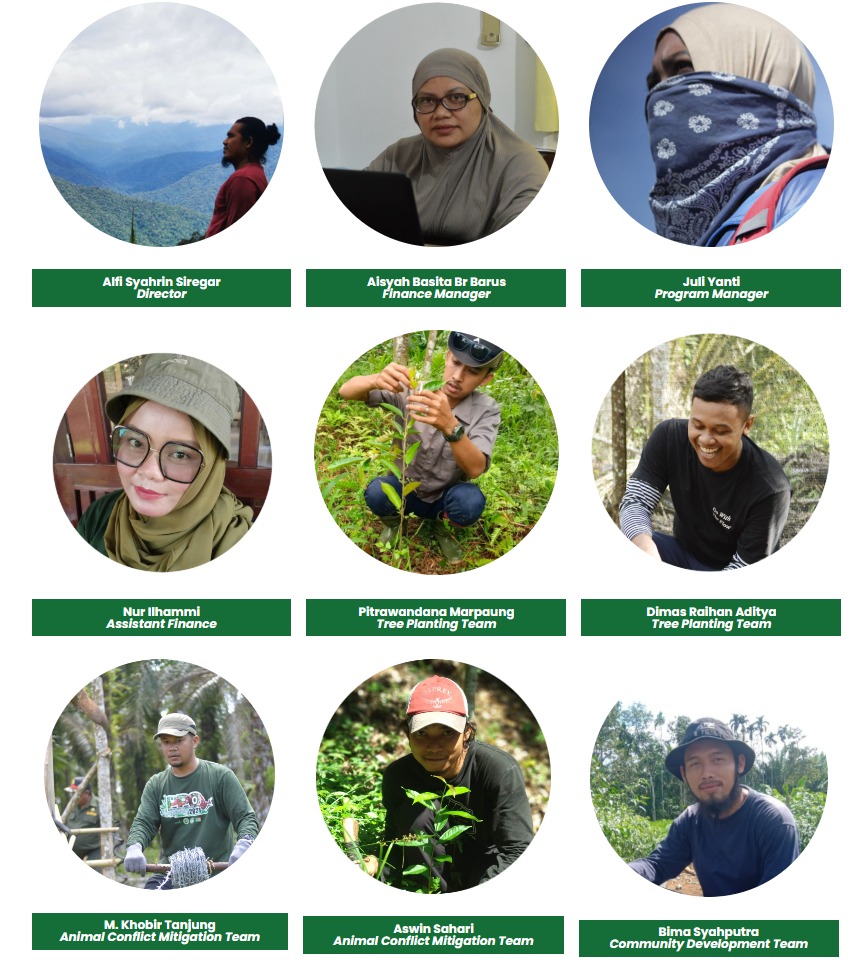
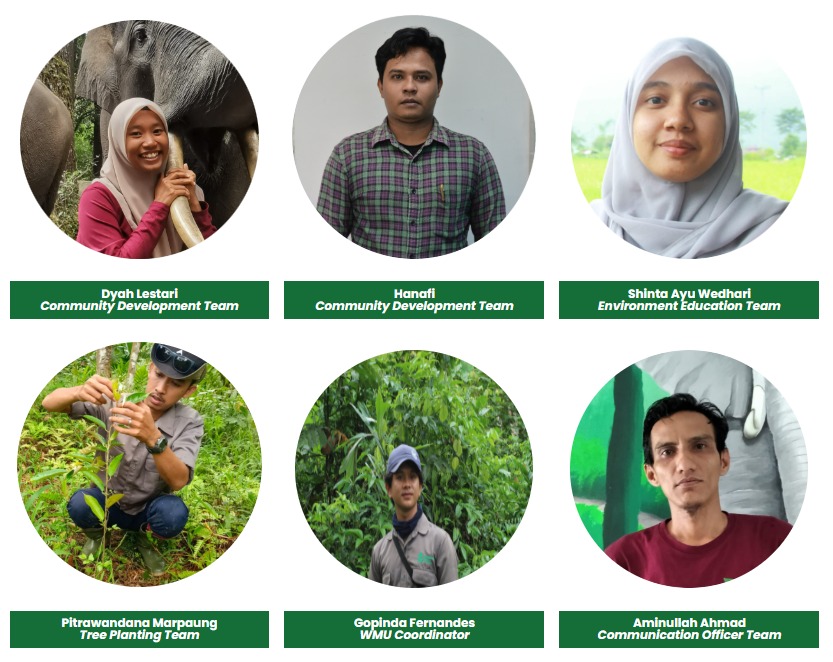
YSHL’s strength lies in its people. The organization is led by a dedicated Indonesian team with deep roots in the communities where they work and decades of combined experience in conservation, education, and community engagement.
Their team includes:
This locally grounded leadership ensures cultural understanding, continuity, and accountability—qualities that are essential for long-term conservation success.
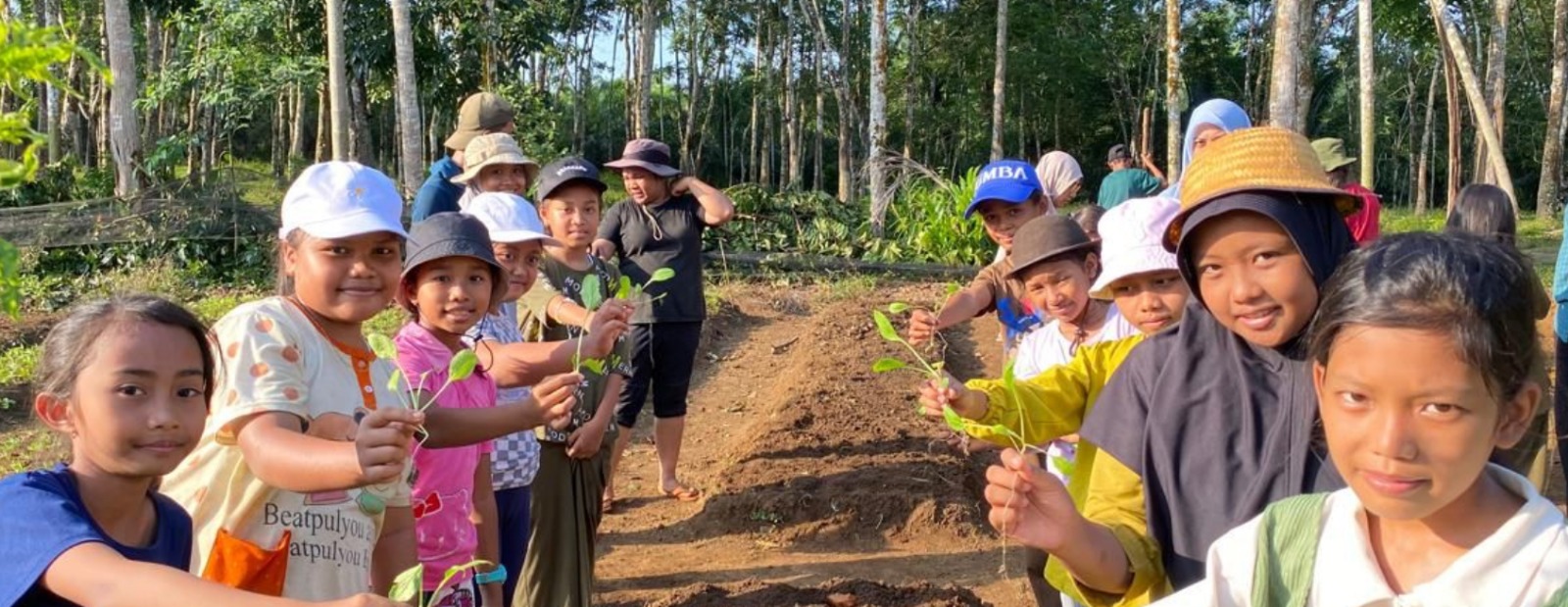
Our commitment to supporting YSHL reflects our belief that the most effective conservation solutions are locally led, community-driven, and holistic. YSHL embodies these principles through its integrated programs that protect forests, support communities, and safeguard wildlife in one of the world’s most critical biodiversity hotspots.
By standing with YSHL, we are investing not only in forests and wildlife, but in people—local stewards whose knowledge, resilience, and leadership are key to ensuring that the Leuser ecosystem endures for generations to come.